Silver Teapots and Sets
The earliest known silver teapot is hallmarked for 1670
29/01/2026 Blog
This week as usual I have been busy visiting clients around Yorkshire and have seen lots of interest objects. Today I saw a gentleman who had a lovely collection of silver wares including a five piece tea and coffee service so this week I thought I would talk about silver teapots.
Tea was introduced to Europe from China with the expansion of trade in the 17th Century and was a great novelty to people used to drinking only beer and posset. Although it was extremely expensive, a pound of tea cost the equivalent to a year's wage for a maid, it quickly became very popular. Those who were buying tea also had the means to buy silver and by the end of the 18th Century tea wares had become a major part of the silversmith's trade.
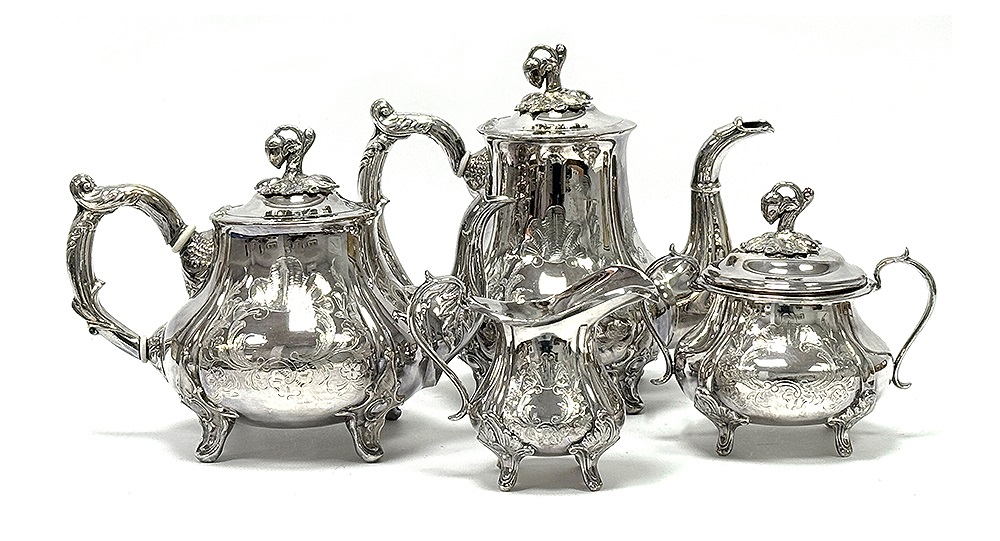
The earliest known silver teapot is hallmarked for 1670 and is today exhibited at the Victoria and Albert museum in London and some teapots were very richly decorated.
From 1755-1770 silver teapots became uncommon as changing trends produced a desire for porcelain teapots. From the early 1780’s a form of teapot with a detachable open work stand was produced however the plain oval teapot was the most popular design in the 1780’s and 1790’s.
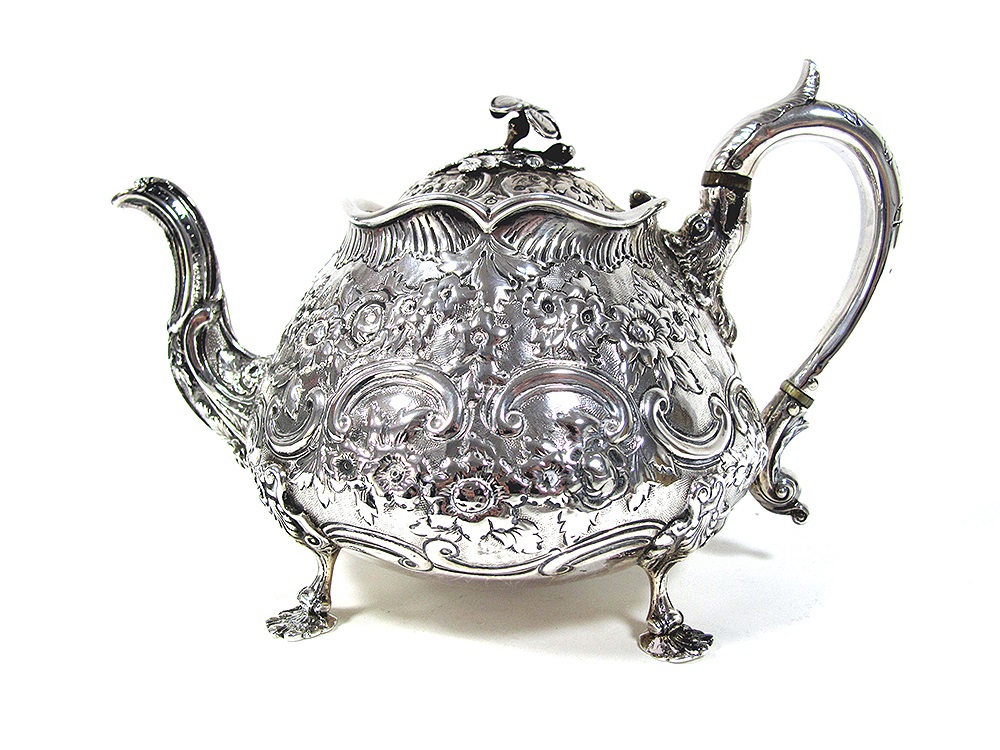
During this period the availability of rolled sheet silver in thin gauge meant that silversmiths could produce teapots at a much-reduced price. As rolled silver was easier to mould and shape, the oval and circular teapot shapes became popular in line with the rise of the Neo-classical style. However, such teapots were not as robust as those made from heavier gauge metal and splitting is sometimes evident around the spout.
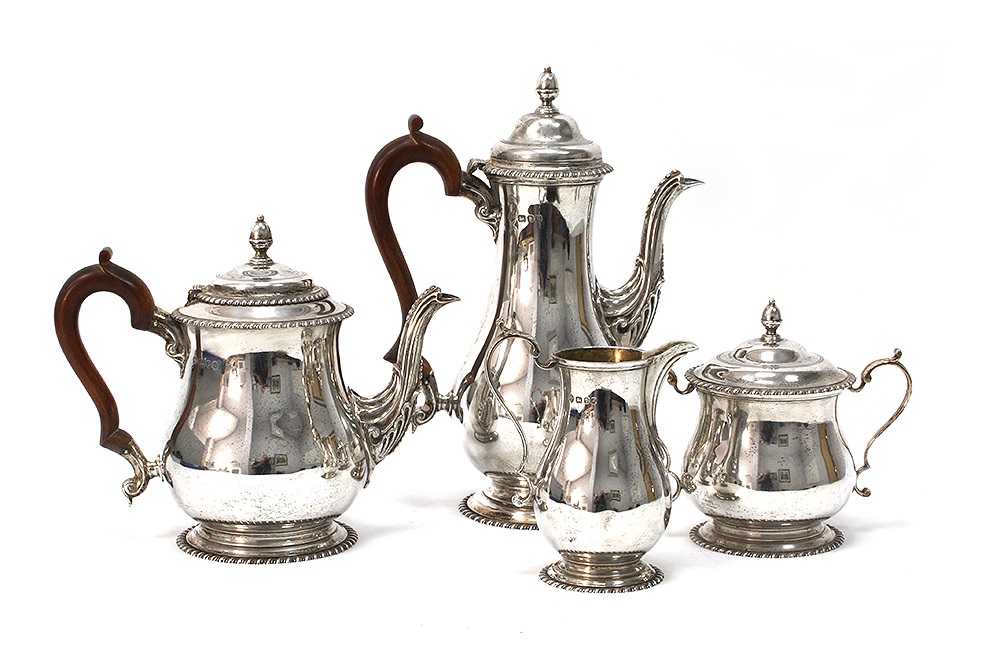
The 19th Century saw many more developments in teapot designs, not least the introduction of electroplating.
The price of silver at the moment is exceptionally high and with the addition of the added value for collectable pieces, this is a great time to offer items at auction. Here at Sheffield Auction Gallery we sell a whole array of different silver and plated items in fortnightly auctions, with prices to suit every pocket from just a few pounds to several thousand pounds. So if you would like to collect silver teapots why not collect a particular maker or period. Alternatively collect different shapes showing the changing styles of silver teapots throughout the centuries.